

Key Takeaways
- SPR subframe collars are designed to reinforce structural gaps at the connection between the subframe and the vehicle body. They are worth considering if you want more direct driving feedback and more consistent handling.
- Before buying, confirm vehicle compatibility, your car's current condition, and your expectations. Adding collars is not a repair for unusual noises, pulling, or worn components.
- Ask about installation arrangements and wheel alignment costs as well as the product price. SPR's Chinese-language FAQ recommends wheel alignment after installing subframe collars.
Want your car to feel more solid, but worried that subframe collars might make no noticeable difference, make the ride too firm, or turn out to be the wrong fit? Before comparing prices, check whether the product's intended purpose matches your needs, then confirm the correct part number and installation requirements.
This guide explains the purpose and limitations of subframe collars, outlines five checks before installation, and provides a checklist you can use when requesting a quote.
1. Do Subframe Collars Help? Understand What They Address
According to SPR's product information, subframe collars fill existing structural gaps at the subframe connections to reduce unwanted movement. The design aims to make force transfer more direct and road feedback clearer. SPR uses 7075 aluminum alloy for these products.
The SPR subframe collars discussed here are metal components used to reinforce structural gaps. Do not confuse them with other rubber bushings in the chassis that may need replacement. Confirm the intended use by checking the vehicle location, product part number, and installation instructions.
When they may be worth considering: Your vehicle has been inspected, you still want more direct feedback in everyday driving, and you are willing to discuss compatibility and installation with the installer first. Whether the result meets your expectations depends on the vehicle, existing modifications, and personal preferences. Another owner's experience is not a guarantee of the same result on your car.
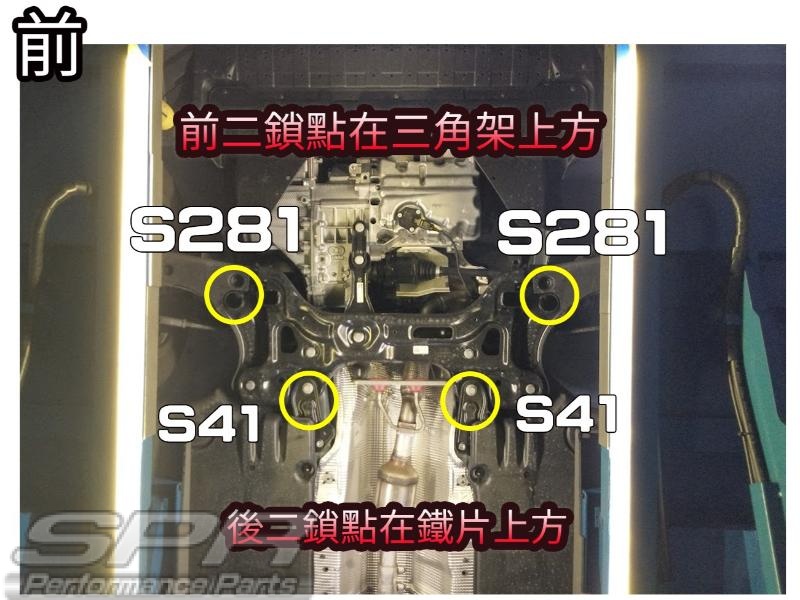
2. How to Assess Potential Drawbacks Before Buying
Rather than simply asking whether there are drawbacks, describe your specific concerns. Are you worried about small road vibrations, existing noises, wheel alignment after installation, or compatibility with other modifications? Each issue needs to be checked separately.
| Your concern | What to check first | How to decide |
|---|---|---|
| You may not notice a difference | The specific driving situation you want to improve and your vehicle's current setup | Check whether the product's purpose matches your needs; do not base your decision on a single review |
| Road feedback may feel too direct for your comfort preferences | Your usual roads, ride preferences, and existing chassis components | Explain your comfort requirements and ask the installer to help assess suitability |
| The car already has unusual noises, vibration, or pulling | Whether a professional has inspected the cause | Address needed repairs before discussing upgrades |
| You may order the wrong part or arrange unsuitable installation | Model year, variant, part number, installation instructions, and alignment arrangements | Confirm compatibility and installation before ordering |
The information currently available on the official website does not provide standardized, quantified ride-comfort comparisons across vehicle models. It cannot establish that every vehicle will feel the same. Claims such as "it will definitely make the ride firmer" or "there are no possible downsides" should not be treated as universal buying conclusions.
3. Five Checks Before Installation
1. Confirm the vehicle model, year, and variant
Prepare the make, model, year, powertrain variant, and left-hand-drive or right-hand-drive configuration before looking for the corresponding product. Ask SPR to verify compatibility when model years or variants differ. If your vehicle is not listed, ask about availability instead of choosing a part number that looks similar.
2. Check the vehicle's condition and any existing symptoms
If the vehicle already has unusual noises, pulling, or unexplained vibration, arrange an inspection first. Record the road conditions and speed range in which the issue occurs to help the technician assess it. This article cannot diagnose the cause, and subframe collars cannot replace repairs to worn components.
3. Explain your driving needs and existing modifications
Be more specific than "I want the car to feel more stable." Is it mainly used for commuting or long trips, or do you want clearer feedback when steering? Also provide details of dampers, tires, wheels, and other chassis modifications so the technician can assess the complete setup rather than one component in isolation.
4. Confirm installation and wheel alignment arrangements
SPR's Chinese-language FAQ recommends wheel alignment after installing subframe collars. Before booking, ask who will arrange the alignment, whether it is included in the quote, and what checks will be performed after installation. Follow the instructions for the corresponding product; do not apply installation methods for a different part number or vehicle without confirmation.
5. Compare the total cost, not just the product price
A complete quote should specify the part number, quantity or kit contents, installation service, alignment, and shipping costs, as well as stock availability and scheduling. SPR's current Chinese-language ordering information lists a by-appointment service for on-site pickup and installation with no installation charge. Confirm the applicable conditions and whether alignment is charged separately when booking.
4. How to Confirm the Right Part Number and Get a Complete Quote
Start with the SPR subframe collar product page and search by make, model, and year. Then refer to the ordering information to arrange a purchase or an on-site service. Even if you have found a part number, provide your vehicle details so compatibility can be checked again.
Copy-and-use quote request:
Hello, I would like to evaluate SPR subframe collars for my car.
Vehicle make / model: ____
Year / powertrain variant / left-hand or right-hand drive: ____
Product part number, if known: ____
Existing chassis modifications and relevant vehicle condition: ____
Driving feel I would like to improve: ____
Preferred service: on-site installation or shipping / my location: ____
Please confirm the compatible part number, kit contents, stock availability, product price, and the arrangements and costs for installation and wheel alignment.
If you previously installed and removed a set and are considering buying again, include the original part number and the reason for removal. If you are considering reusing old parts, have a technician inspect them first rather than assuming they are suitable for reinstallation.
5. Frequently Asked Questions
Q1: Are subframe collars suitable for every car?
No. Confirm the correct part number for the make, model, year, and variant, and disclose any existing modifications. A similar model name in the product list does not mean compatibility has been confirmed.
Q2: Will subframe collars always make the ride firmer?
Not necessarily. SPR positions these products as reinforcement components that address structural gaps and improve driving feedback. The available information does not guarantee the ride feel of every vehicle. If comfort is your priority, explain your usual road conditions and ride preferences before buying.
Q3: Is wheel alignment needed after installation?
SPR's Chinese-language FAQ recommends wheel alignment after installing subframe collars. Before booking, confirm who will perform it, when it will take place, and whether the cost is included, so the follow-up arrangements are not overlooked.
Q4: Can subframe collars fix chassis noises?
Symptoms alone are not enough to determine this. A professional needs to inspect the cause of the noise. Identify any necessary repairs before considering collars, and do not treat the product as a universal solution for chassis noises.
Q5: What information should I provide when requesting a quote?
Provide the vehicle model, year, variant, existing modifications, desired part number, and your location. State whether you prefer shipping or on-site installation. Confirm kit contents, stock availability, and installation and alignment costs together so you can compare complete purchasing options.
Further reading: SPR FAQ (Traditional Chinese) and Installation Instructions for Collars with Holes. Installation documents apply to their corresponding products. Confirm applicability and installation details with the installer.
Confirm Compatibility and Costs Before Choosing Your Upgrade
Whether subframe collars are worth buying depends on how well their purpose matches your needs and whether vehicle compatibility and installation requirements have been confirmed. Prepare your vehicle details so SPR can help verify the corresponding part number, availability, and purchasing arrangements.
Call SPR: +886 2 2677 5998
Email SPR to confirm compatibility and request a quote